


Brass – Everything You Need to Know
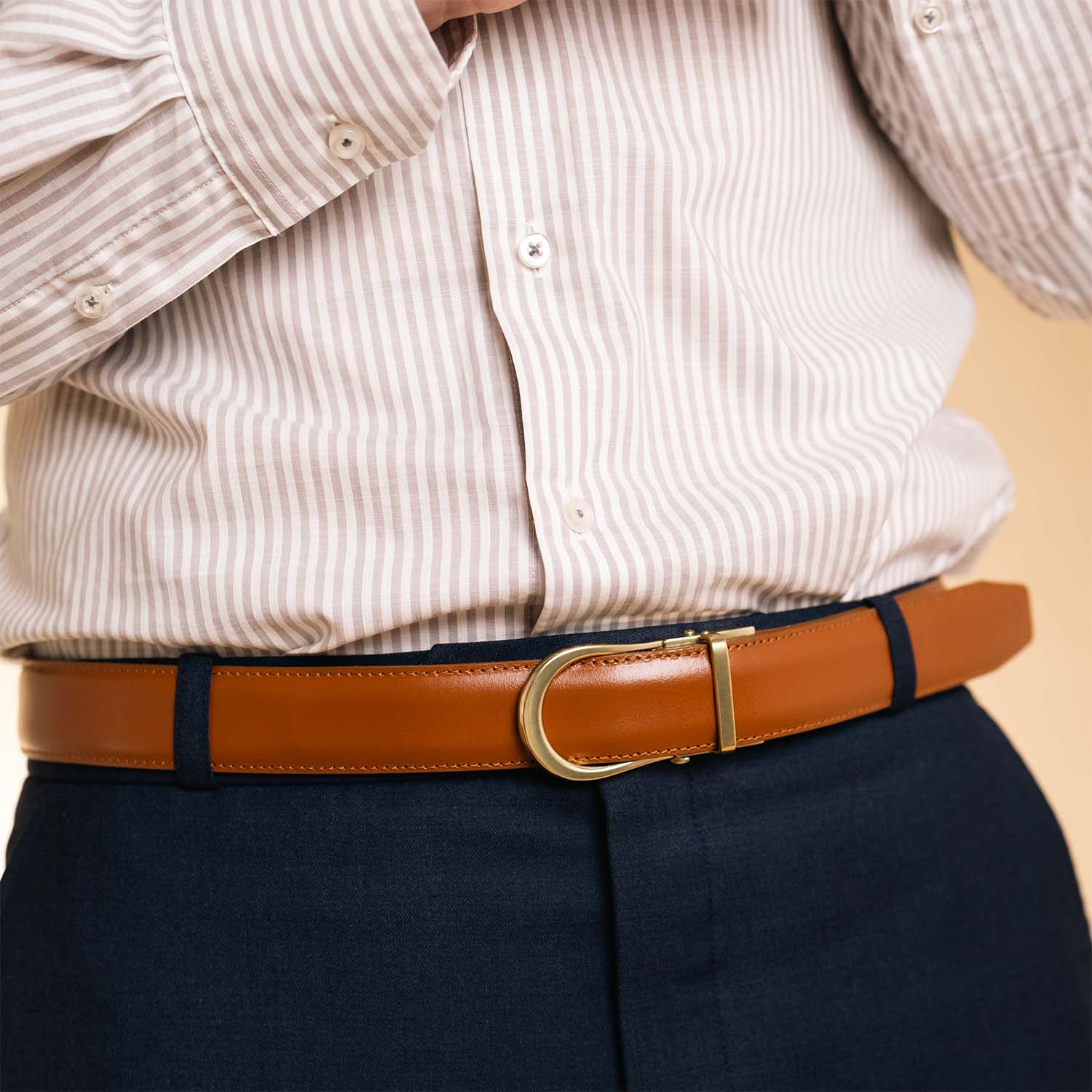
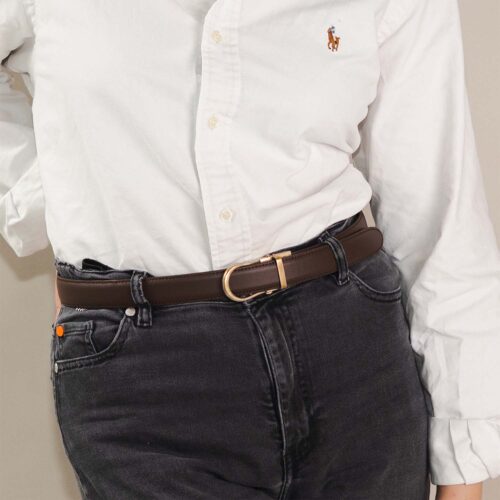
At Nordform, we’ve introduced two types of brass in our buckle collection – brass and raw brass – so you can enjoy the warm glow and characterful expression this material brings to our buckles.
What Is Brass?
Brass is an alloy made from copper and typically 5–40% zinc, often with small amounts of other metals added to achieve specific properties. The higher the zinc content, the stronger and more corrosion-resistant the alloy becomes. Brass is one of the most widely used technical alloys after steel and has been in use since before the year 1500.
It combines many of the beneficial qualities of copper but is stronger, more durable, and more economical to produce. It is also easy to work with—whether through casting, machining, or forming—making it popular in both industry and design.
Brass is an incredibly versatile material with both aesthetic and functional advantages. Below, you’ll find an overview of its properties, uses, maintenance, and cleaning.
Nordform Buckles in Brass
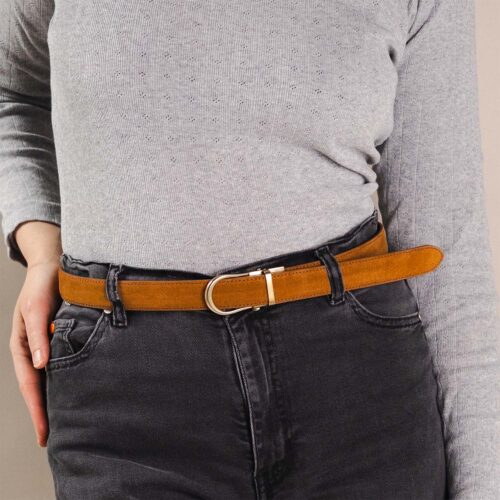
At Nordform, our brass belt buckles are made from A65 brass, an alloy containing approximately 65% copper and 35% zinc. This places it in the alpha-beta brass category, which offers an ideal balance of strength, formability, and a warm golden tone.
A65 brass is particularly well-suited for belt buckles because it:
-
has a solid structure that withstands daily wear
-
retains its golden hue over time
-
develops a beautiful patina when left untreated (raw brass)
-
is easy to shape precisely, ensuring a sharp and well-defined buckle design
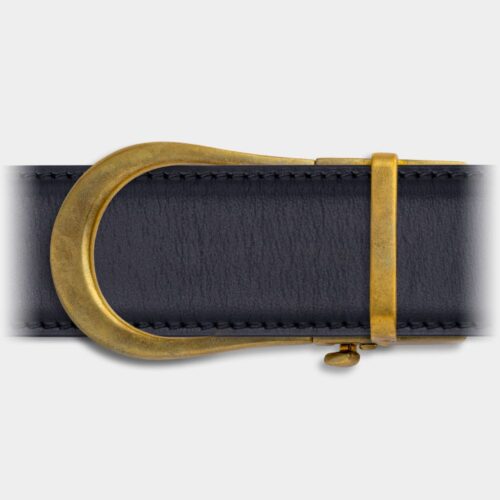
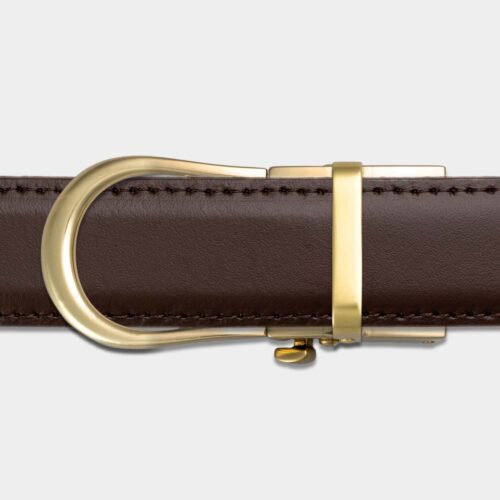
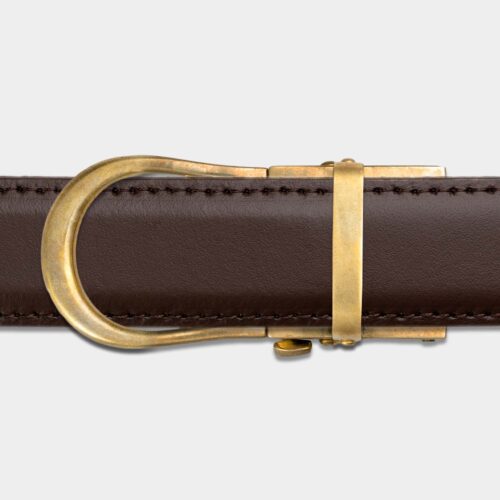
These characteristics make A65 our natural choice. To let our customers choose their preferred look, we offer both treated brass, which keeps its colour stable and shiny, and raw brass, which patinates naturally and gains a more personal, lived-in appearance with time.
The Difference Between Brass and Raw Brass
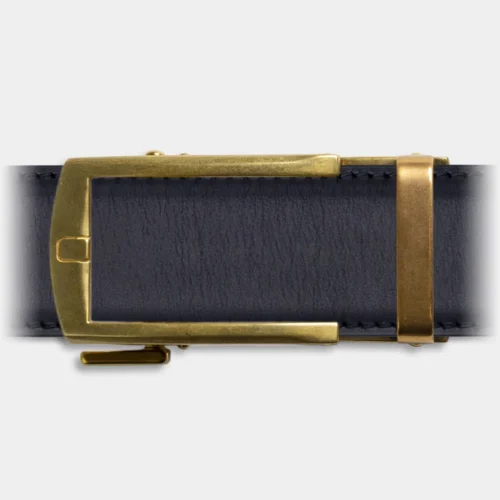
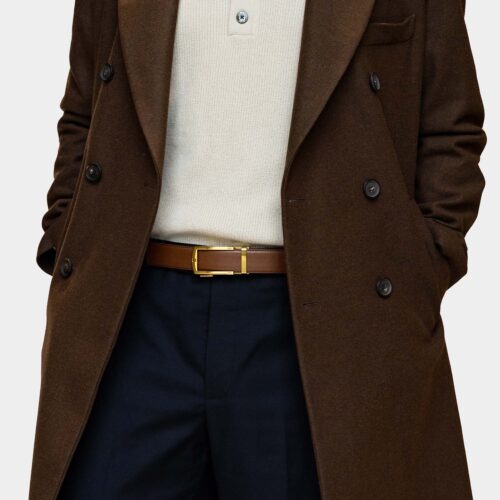
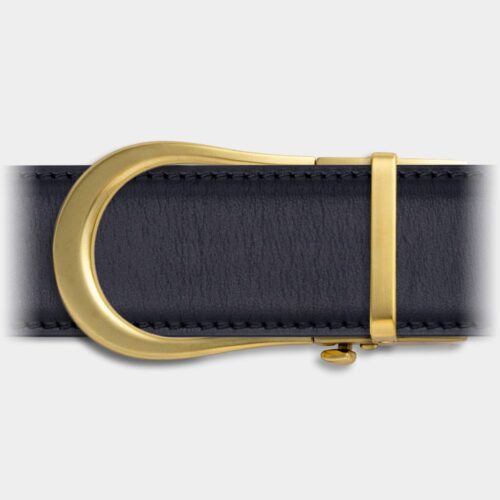
At Nordform, we offer both brass and raw brass buckles, each with its own aesthetic expression.
Brass (treated brass) is sealed to preserve its shine and prevent natural oxidation, keeping the colour stable and elegant over time.
Raw brass, on the other hand, is completely untreated. This means the metal will naturally oxidise and develop a patina—a darker, more organic surface that gives every buckle a unique, character-rich look.
Oxidation of Brass
Brass reacts with oxygen and moisture, forming copper oxide—a natural dark patina. This changes the colour from bright gold to a more brownish or antique finish. Indoors, the process happens slowly but can be accelerated using methods such as the “egg method”.
Oxidation can be both practical and aesthetic: it offers light protection against further degradation and helps hide fingerprints and small scratches.
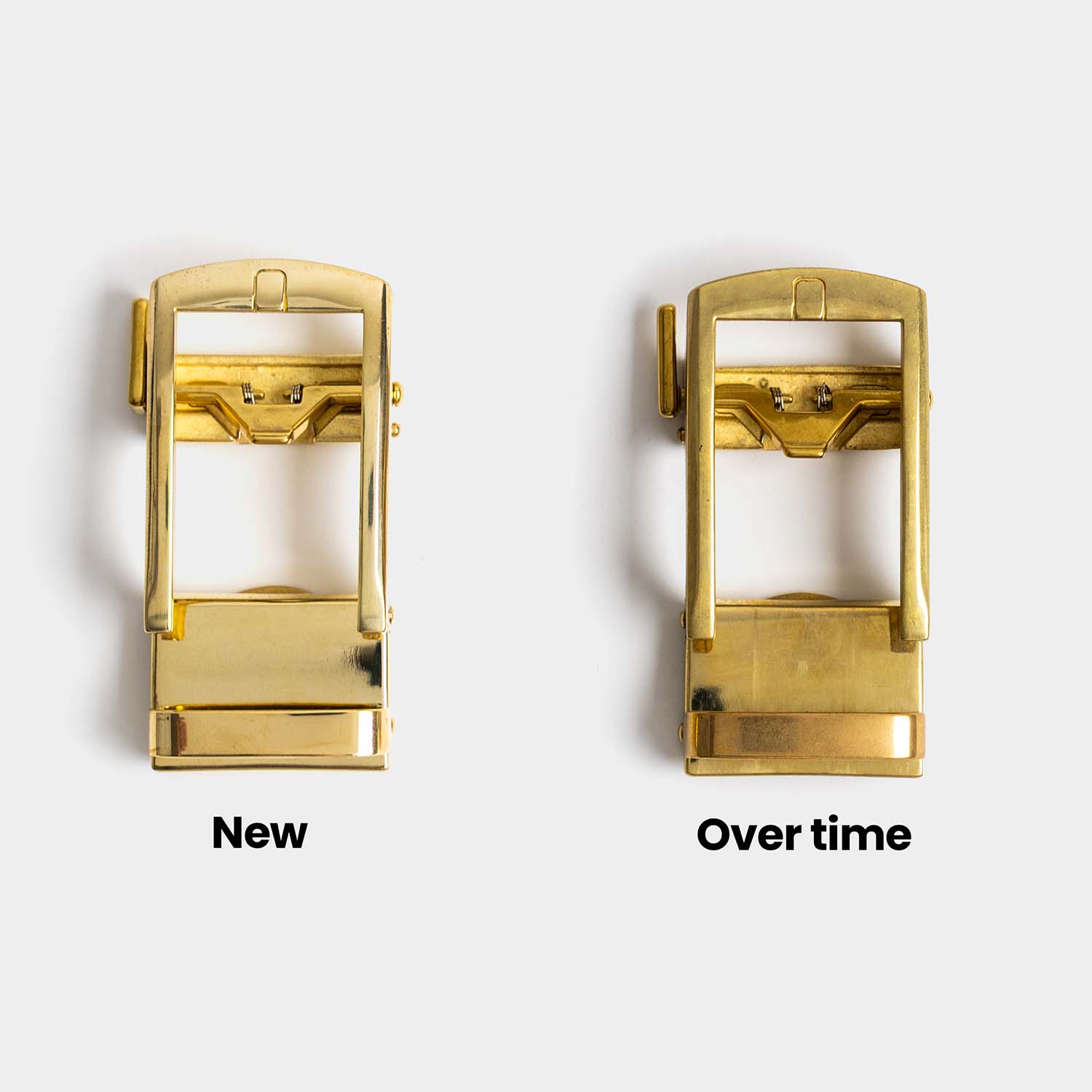
How a Raw Brass buckle develops over time
Properties of Brass
Brass is known for its unique combination of functional and visual advantages, making it suitable for a wide range of applications.
Corrosion Resistance
Brass is naturally resistant to corrosion in both dry and humid environments. It rarely rusts, which makes it ideal for outdoor use and for water-bearing installations such as faucets, pipes, and fittings. Adding metals like tin or aluminium can further increase its resistance.
Strength and Durability
Compared to pure copper, brass is stronger and more wear-resistant. It can withstand mechanical pressure and everyday use without deforming easily. For this reason, it’s commonly used in door handles, hardware, and coins—products that must endure constant wear.
Aesthetic Appearance
Brass has a natural golden colour reminiscent of gold. The hue varies based on zinc content—the more zinc, the lighter and more yellow the brass becomes. This warm glow makes brass especially popular in interior design, jewellery, and architectural details. It can be polished to a mirror shine or oxidised for an antique look, making it highly versatile visually.
How to Clean Brass
Brass is easy to clean using simple household ingredients.
A mixture of lemon and salt, or lemon juice and baking soda, removes stains and restores shine effectively. Vinegar and flour can also be used to make a gentle cleaning paste, while ketchup (surprisingly) can dissolve tarnish on smaller areas.
For a deeper clean, brass can be boiled in water with baking soda. Whatever method you choose, always rinse thoroughly and dry completely to avoid water spots and moisture damage.
Maintenance Tips
-
Clean regularly: Wipe with a dry or slightly damp cloth to remove dust.
-
Avoid harsh chemicals: Bleach, ammonia, and strong cleaners can damage the surface.
-
Polish when needed: Use a dedicated brass polish for extra shine.
-
Protect from moisture: Store brass items dry and avoid prolonged water exposure to slow oxidation.
Other Types of Brass
Brass is typically divided into three main categories:
Classic Brass
Copper and zinc without additional alloying elements.
Lead-Containing Brass
Lead is added to improve machinability, especially for turning and cutting. Often used for fittings and hardware.
Special Brass
Contains metals like aluminium, tin, nickel, or manganese to improve corrosion resistance, strength, or colour.
Alpha and Beta Brass
Depending on the zinc content, brass exists in different structural forms:
-
Alpha brass: Typically under 37% zinc. Ductile and easy to cold-work—ideal for sheets, wire, and strips.
-
Beta brass: Typically over 45% zinc. Harder and stronger but less formable.
-
Alpha-beta brass: A combination of both, containing 37–45% zinc, offering balanced properties.
Lead-Free Brass and Tombak
Lead-free brass is a pure copper-zinc alloy, often labelled “Ms” followed by the copper percentage (e.g., Ms70 = 70% copper).
Variants with high copper content are known as tombak, appreciated for their malleability and excellent corrosion resistance.